
Cortisol is a hormone the body releases in response to stress. It plays an important role in short-term alertness, but when levels stay elevated for long periods, it can affect sleep, muscle tension, and overall well-being.
Within massage and therapy, one area of interest is how physical touch and relaxation influence the body’s stress response. Research and clinical observations suggest that massage may support a reduction in stress-related symptoms, which are closely tied to cortisol activity.
Understanding Cortisol Patterns During Prolonged Stress
Cortisol is part of the body’s natural stress regulation system. It helps manage energy, inflammation, and alertness. Under normal conditions, cortisol rises and falls throughout the day.
When stress becomes persistent, this rhythm can shift. Instead of returning to baseline, cortisol may remain elevated longer than intended. Over time, this can contribute to:
- Ongoing muscle tightness
- Disrupted sleep patterns
- Increased fatigue
- Difficulty concentrating
- Heightened physical tension
The concern is not cortisol itself, but how long it stays active in the body.
The Impact of Massage and Therapy on the Nervous System and Cortisol Response
The body’s stress response is regulated by the nervous system. When stress is present, the sympathetic system becomes more active. This is the “fight or flight” response.
Massage and therapy can support activation of the parasympathetic system, which is responsible for rest and recovery. This shift is associated with:
- Slower heart rate
- More regular breathing
- Reduced muscle guarding
- A general decrease in physical alertness
Because cortisol release is tied to stress activation, calming the nervous system may help reduce how strongly that response is maintained.
How Relaxation Spa Massage Promotes Calm Without Overstimulation
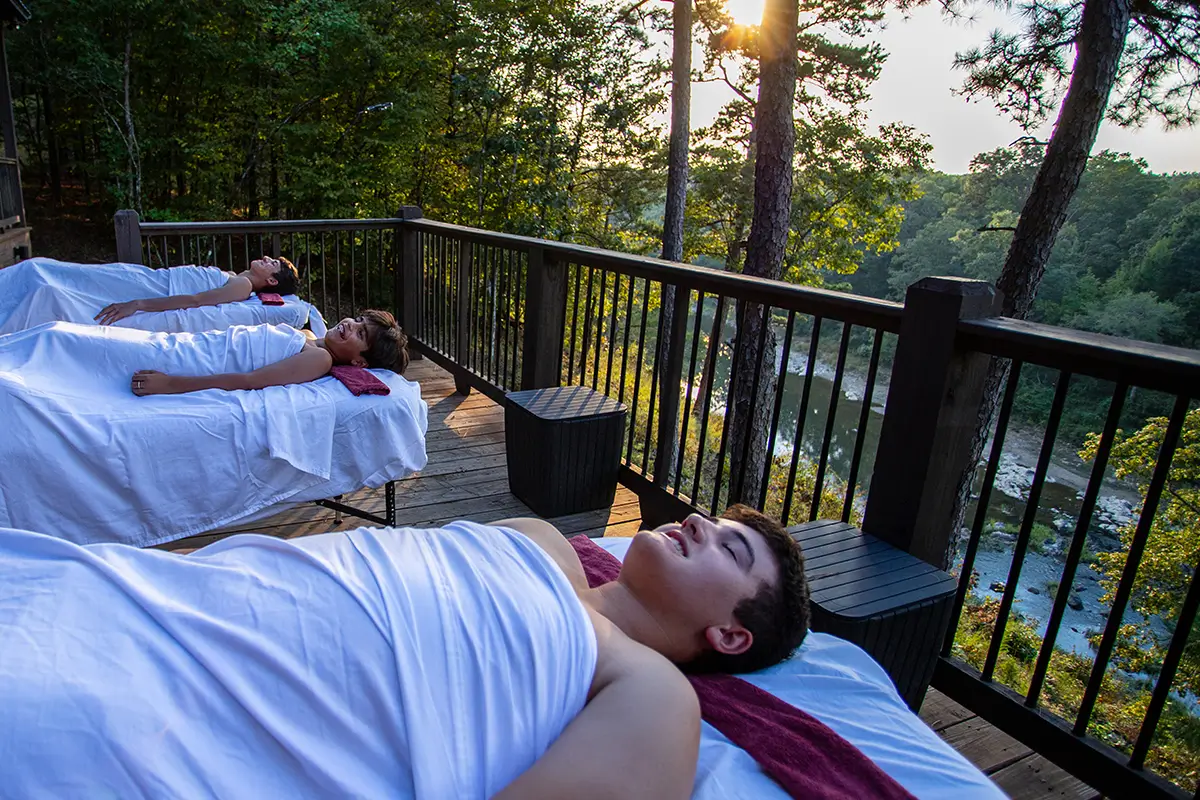
A relaxation spa massage is structured to reduce stimulation rather than increase it. The pace, pressure, and environment are all designed to support a quieter internal state.
Key elements include:
- Consistent, flowing movements
- Moderate, non-invasive pressure
- Minimal interruptions
- A stable, predictable environment
This type of setting allows the body to settle gradually, reducing external stimulation and supporting physical ease, which is where stress-related hormone activity may begin to shift.
Physical Responses That Occur During Spa Services
During rejuvenation spa services, the body responds in several measurable ways that relate to stress recovery.
These may include:
- Improved circulation to muscles and soft tissue
- Reduced localized muscle tension
- Increased skin temperature from improved blood flow
- Lower perceived levels of physical discomfort
These responses do not directly measure cortisol, but they reflect a body that is supporting physical recovery processes and toward recovery.
Choosing the Right Massage Approach Based on Individual Stress and Recovery Needs
Selecting the right massage depends on your needs, whether that is relaxation, recovery, or targeted relief. Different techniques support the body in different ways, and understanding these options helps you choose a session that aligns with how your body is responding to stress.
The focus is not on intensity, but on what allows the body to release tension without strain or discomfort.
Swedish Massage
This widely preferred technique uses light to moderate pressure with smooth, flowing strokes to ease tension and support circulation. Often used in practice, it is well suited for individuals looking to reduce stress without applying deep or targeted pressure.
It supports a calm physical state, making it easier for the body to settle without overstimulation.

Hot Stone Massage
This method uses heated stones placed on targeted areas of the body to ease muscle tension and improve blood flow. The warmth allows muscles to relax more deeply without the need for increased pressure.
It is commonly included in Rejuvenation spa services, offering a steady, controlled approach to reducing physical discomfort while maintaining overall ease.
Therapeutic massage
Therapeutic massage focuses on specific areas of concern such as stiffness, tension, or restricted movement. Techniques are adjusted based on individual needs rather than following a fixed routine.
This approach supports physical recovery and mobility while still maintaining a level of comfort that allows the body to relax during treatment.
Prenatal massage
Full body prenatal massage is designed to support the physical changes that occur during pregnancy. It uses gentle, controlled techniques to reduce discomfort and improve circulation.
This approach provides a safe and steady way to support comfort without placing unnecessary strain on the body.
Recognizing When the Body Is Holding Ongoing Stress
Chronic stress is not always obvious, but the body often signals when it is not returning to baseline.
Common indicators include:
- Persistent tightness in specific muscle groups
- Feeling physically tired despite adequate rest
- Difficulty relaxing without external support
- Frequent tension headaches
- Interrupted or shallow sleep
Massage is often used when these patterns are present to help reduce physical tension, not as a cure, but as a way to ease ongoing tension patterns.
How Spa Massage Influences Sleep Patterns and Recovery Cycles
Stress management is not based on a single intervention. It depends on consistent patterns that support recovery.
Spa services can be part of that pattern by:
- Providing structured time for physical relaxation
- Supporting circulation and muscle recovery
- Creating a consistent pause in high-demand routines
These effects are cumulative rather than immediate. Over time, they may contribute to a more stable physical response to stress.
Finding the Right Frequency for Managing Stress
There is no single frequency that applies to everyone. The benefit depends on individual stress levels, physical condition, and routine.
Some general considerations:
- Occasional sessions may support short-term stress relief
- Regular sessions may help maintain a lower baseline tension
- Increased frequency may be useful during periods of higher demand
The goal is consistency, not intensity.
Common Questions About Massage and Cortisol
Does massage directly reduce cortisol levels?
Massage does not target cortisol directly. It supports conditions in the body that may help regulate the stress response, which includes cortisol activity.
How quickly can a spa massage affect stress levels?
Some individuals notice changes after one spa massage, while others experience more gradual shifts with repeated sessions.
Are rejuvenation spa services only for relaxation?
No. Rejuvenation spa services also support circulation, muscle recovery, and general physical comfort, which are all connected to how the body manages stress.
Is massage enough to manage chronic stress?
Massage can be one part of a broader approach. Long-term stress management may also involve rest, movement, and other supportive practices.
A Steady Approach To Supporting The Body’s Stress Response
Stress is not something the body is meant to carry continuously. It is meant to rise, respond, and settle. When that cycle is interrupted, physical symptoms often follow.
At A Servant’s Hands Massage Therapy, the focus is on providing consistent, structured support for relaxation and physical ease. Sessions are designed to help the body move out of a heightened state and into a more stable one, without adding complexity or pressure.
If you are looking for a way to support recovery and reduce ongoing tension, scheduling a massage may be a practical step toward restoring balance.